Understanding Veterinary Ultrasound: A Pet Parent’s Guide in Duluth, MN
Your dog or cat is an important part of your family. If your family veterinarian has recommended an ultrasound, it’s natural to have questions. At Superior Veterinary Imaging, we’re here to help you feel informed and reassured.
Veterinary ultrasound is a gentle, non-invasive way to gather more information about your pet’s health. It plays a key role in helping your veterinary team make confident, timely decisions without added stress to you or your pet.
What Is a Veterinary Ultrasound?
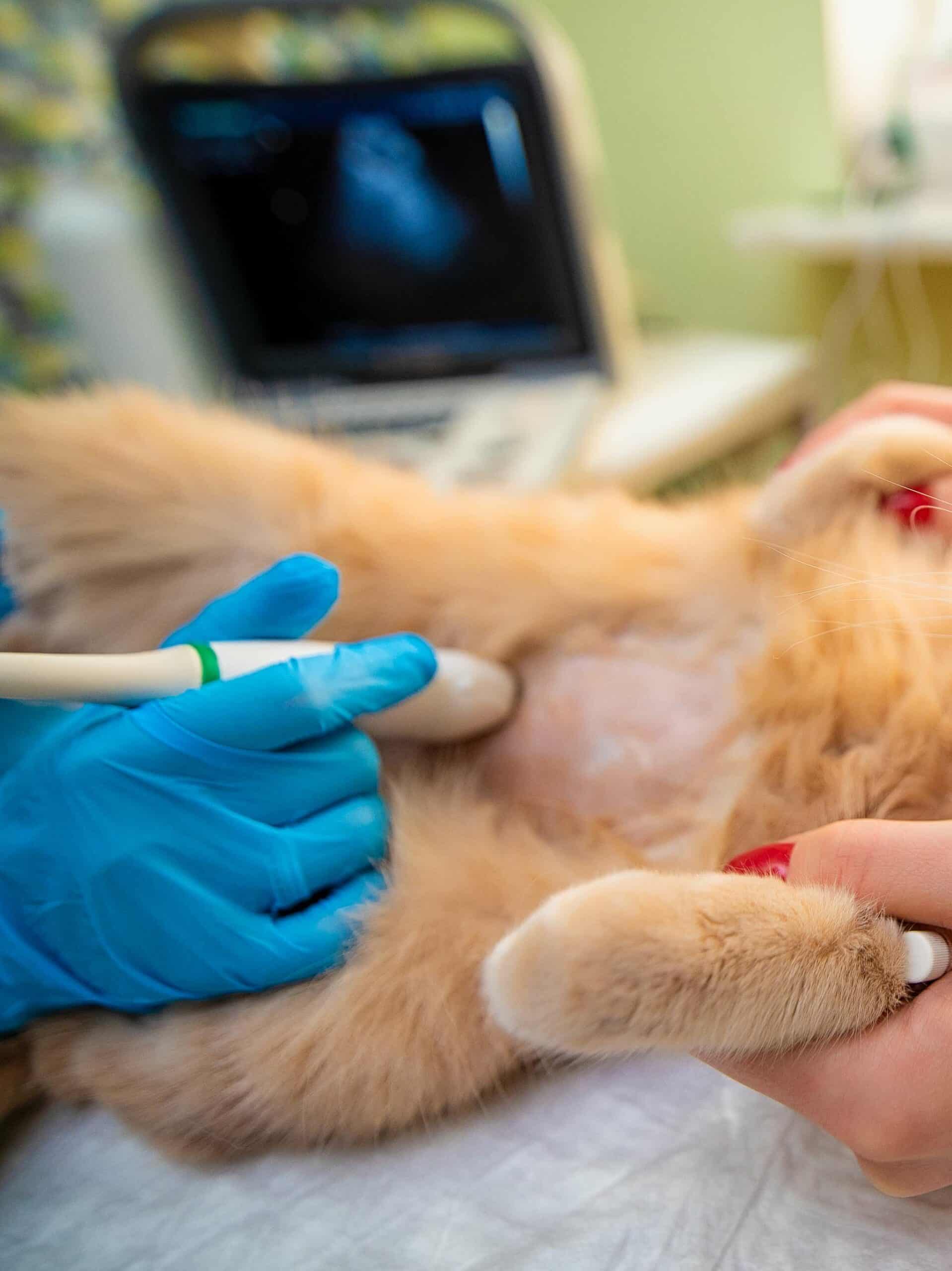
Ultrasound uses sound waves to create images of your pet’s internal organs in real time. It allows your veterinarian to see soft tissues that don’t appear clearly on X-rays, like the liver, kidneys, bladder, intestines, and heart.
This technology is completely safe for your pet. It doesn’t involve radiation, and unlike procedures requiring anesthesia, most ultrasounds are performed with your pet awake and comfortably resting. In many cases, mild sedation is recommended to help pets relax and ensure the best possible images.
We’ll work closely with your veterinary clinic to provide high-quality ultrasound imaging that supports accurate diagnosis and next steps.
Why Your Veterinary Team May Recommend an Ultrasound
Your pet’s doctor might suggest an ultrasound if your dog or cat is showing signs like:
Ultrasound is often used to help identify or monitor conditions such as organ disease, tumors, bladder stones, fluid buildup, or heart issues. In many cases, it helps catch problems earlier giving your pet a better chance at successful treatment.
What to Expect During the Procedure
We recognize that pet parents want to know how their pet will be cared for during the scan. Here’s a quick overview of what typically happens:
You won’t receive the results directly from us, but your veterinary clinic will explain what was found and talk through next steps with you.
Supporting Your Clinic with Diagnostic Expertise
Superior Veterinary Imaging works directly with veterinary professionals in Duluth, Cloquet, Hibbing, Ashland, and surrounding areas. While pet parents don’t book with us directly, we’re an essential part of your pet’s care team.
We support your clinic with:
This approach helps veterinary clinics diagnose efficiently and keeps care close to home without the added cost of a referral hospital.
You’re an Essential Part of the Care Process
When your veterinary team recommends an ultrasound, it’s because they want the clearest, most accurate view of what’s going on with your pet. We’re proud to support that process by providing focused, compassionate imaging that helps guide care.
We know it can feel overwhelming when your pet needs additional tests. You’re not alone. With sensitive diagnostics and collaborative communication, we’ll help your veterinary team get the answers they need.
If you have questions about your pet’s ultrasound, recovery, or diagnosis, please reach out directly to your veterinary clinic. They’ll work with you every step of the way.


Frequently Asked Questions
What does ultrasound help detect in dogs and cats?
Ultrasound is often used to evaluate abdominal organs, monitor heart conditions, detect tumors, locate bladder stones, or assess unexplained symptoms like vomiting or weight loss.
Will my pet need to be sedated?
Sedation is not always needed for an ultrasound, but it can be recommended if your pet is in pain, anxious, or having a hard time staying still. Ultrasound images are a lot like photos, so even small movements can make the view blurry or hide the area we need to evaluate. Light sedation helps your pet relax, stay comfortable, and hold a steady position so the veterinarian can capture clear, accurate images as efficiently as possible. If sedation is recommended, your veterinarian will discuss it with you ahead of time so you know what to expect.
Does it hurt?
Not at all. Ultrasound is a gentle procedure. The only part your pet might notice is the gel applied to their skin, which washes off easily.
Can I stay with my pet during the ultrasound?
Your veterinary clinic can let you know what’s best for your pet and their policy. Most clinics have trained staff who keep your pet calm and comfortable throughout the scan.
When will I get the results?
Verbal findings are often shared with your clinic right away. A full written report is usually sent within 24 hours, and your veterinarian will go over everything with you.